There is a specific kind of frustration that comes with knowing you need more protein in your diet and being completely unable to eat the one food everyone keeps recommending. Cottage cheese shows up on every high-protein meal plan, every fitness forum, every “easy meal prep” list. And for a significant number of people, eating it feels like chewing on a chemistry experiment that went wrong — wet rubber balls suspended in something that might be milk or might be regret.
If you have ever scooped a spoonful of cottage cheese into your mouth and felt your entire body reject it before you could even swallow, you already know what sensory aversion feels like. It is not picky eating. It is not a lack of willpower. It is your nervous system responding to a texture that registers as fundamentally wrong, and no amount of “just try it with fruit” advice is going to override that response.
For people with sensory processing sensitivity (SPS), ADHD, or autism, the texture problem with cottage cheese is not a minor inconvenience. It is a hard barrier. And the worst part is that the texture inconsistency between brands makes it nearly impossible to predict whether a new container will be tolerable or gag-inducing until you open it and take that first uncertain bite.
One brand has quietly become the exception in neurodivergent communities, not through marketing or influencer deals, but through the simple fact that its texture is predictable every single time. That brand is Good Culture, and the reason it works for sensory-sensitive eaters comes down to manufacturing choices that most people never think about.
Why Cottage Cheese Is a Sensory Nightmare for Many People
To understand why Good Culture works where other brands fail, it helps to understand what makes cottage cheese so aversive in the first place. The issue is not the flavor. Most people who reject cottage cheese can tolerate other dairy products — yogurt, cheese, milk, even sour cream. The problem is almost always texture, and specifically three texture qualities that trigger sensory rejection.
Inconsistent Curd Size
Open a container of most cottage cheese brands and look closely. You will find curds of wildly different sizes — some as small as rice grains, others as large as grapes. For a neurotypical eater, this is unremarkable. For someone with sensory processing sensitivity, each bite becomes a gamble. The small curds might be fine, but the large ones create a burst of wet, squeaky resistance between the teeth that can trigger an immediate gag reflex.
This inconsistency is the core problem. Sensory-sensitive individuals often build tolerance for a food by learning its expected texture profile. When that profile changes from bite to bite, the nervous system cannot establish a pattern, and the food remains permanently on the “unsafe” list.
The Liquid-to-Solid Ratio
The whey — that liquid pooling at the top of the container — is another major trigger. Some brands have minimal whey; others look like curds floating in soup. When you scoop a spoonful, you cannot control how much liquid comes with each bite. Sometimes it is a thick, creamy mouthful. Other times it is a watery rush that coats the inside of your mouth in a way that feels fundamentally different from the bite before.
Unpredictability is the enemy of sensory tolerance. The nervous system of a person with SPS or autism is wired to detect and react to inconsistencies more intensely than average. What feels like “just cottage cheese” to one person feels like a texture minefield to another.
The Squeak Factor
There is a specific sensation that many sensory-sensitive people describe when eating cottage cheese: a squeaky, rubbery resistance between the teeth, similar to biting into fresh cheese curds or undercooked beans. This “squeak” is caused by the interaction between the casein protein structure and saliva, and it is more pronounced in larger, firmer curds.
For people who experience this sensation as aversive, it is not something that can be overcome through exposure or positive thinking. It is a hardwired sensory response that triggers disgust, nausea, or a gag reflex. The only solution is to find a cottage cheese where the curds are small enough and soft enough that the squeak never develops.
How Good Culture Solves the Texture Problem
Good Culture cottage cheese has a texture profile that is measurably different from mainstream brands, and those differences align precisely with what sensory-sensitive eaters need.
Uniform, Small Curds
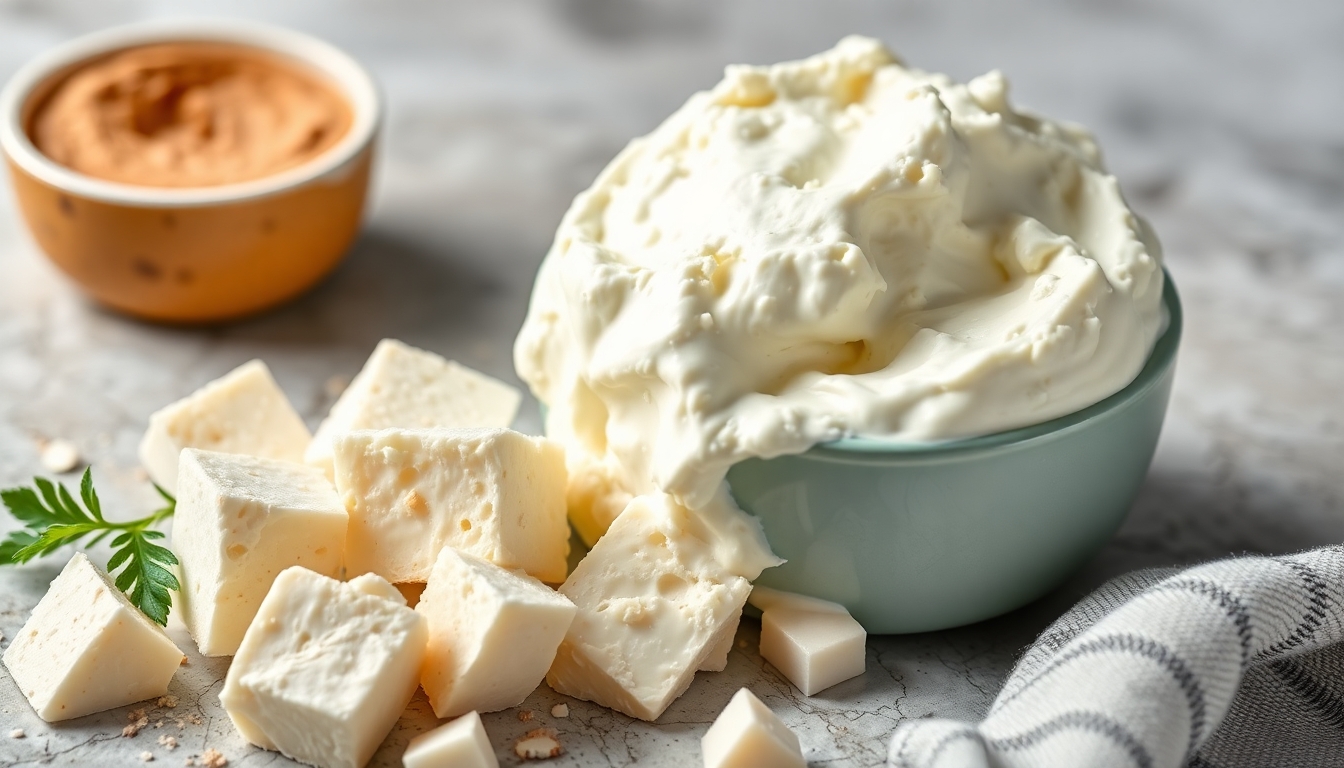
The most immediately noticeable difference when you open a Good Culture container is the consistency of the curd size. The curds are small, roughly uniform, and densely packed. There are no surprise chunks, no oversized curds hiding at the bottom, no variation that forces your nervous system to recalibrate with each bite.
This uniformity matters enormously for sensory processing. When every bite delivers the same texture, the brain can predict and accept the sensory input rather than constantly scanning for threats. The nervous system relaxes. The food becomes safe.
In sensory processing terms, Good Culture’s curd consistency reduces the sensory prediction error — the gap between what the brain expects and what it receives. When that gap is small, food tolerance increases. When it is large (as with inconsistent brands), rejection is almost guaranteed.
Minimal Free Whey
Good Culture containers have very little free liquid at the surface. The curds are dry enough to hold their shape but moist enough to feel creamy rather than chalky. This means that each spoonful delivers a predictable ratio of solid to liquid, eliminating the “watery rush” that triggers so many sensory aversions.
For someone who has learned to associate cottage cheese with an unpleasant liquid surprise, opening a Good Culture container for the first time can be genuinely disorienting. Where is the pool of whey? Why does the spoonful stay on the spoon instead of sliding off in a wet mass? These small differences accumulate into a fundamentally different eating experience.
No Squeak, No Gag
Because Good Culture curds are small and tender, they break down quickly in the mouth without the rubbery resistance that causes the squeak factor. The protein matrix is looser and more yielding than in brands with large, firm curds. This means the curds integrate with saliva smoothly rather than fighting against it.
For sensory-sensitive eaters, this translates to a mouthfeel that is closer to thick yogurt than to the chunky, unpredictable texture of conventional cottage cheese. The transition from “I cannot eat this” to “I can eat this” often comes down to that single sensory difference.
The ADHD Safe Food Connection
In ADHD communities, the concept of “safe foods” is well understood. Safe foods are items that a person can reliably eat even when their sensory tolerance is low, their executive function is depleted, or their medication has suppressed their appetite to the point where most food feels repulsive. Safe foods are not about nutrition optimization. They are about survival eating — making sure the body gets fuel when the brain is making food feel impossible.
High-protein safe foods are particularly valuable for people with ADHD because protein supports dopamine and norepinephrine production, the same neurotransmitters that ADHD medications target. Getting adequate protein can actually improve medication effectiveness and reduce the severity of afternoon crashes. But getting that protein is hard when most convenient high-protein foods have textures that trigger sensory rejection.
This is where Good Culture has carved out a unique position. It is not marketed as an ADHD safe food. It is not sold with neurodivergent branding. But across Reddit communities, Discord servers, and ADHD support groups, it keeps showing up on safe food lists because people who thought they hated cottage cheese tried it and realized they only hated every other brand’s version of it.
Why Protein Matters Even More for Neurodivergent Brains
The connection between protein intake and neurological function is well-established, but it carries extra weight for neurodivergent individuals.
People with ADHD have lower baseline dopamine levels than neurotypical brains. Protein provides the amino acid precursors — particularly tyrosine and phenylalanine — that the brain uses to manufacture dopamine. When protein intake drops, cognitive function, emotional regulation, and impulse control all suffer. For someone already struggling with executive function, the last thing they need is a protein deficit making everything harder.
People with autism frequently experience restricted food preferences that can lead to nutritional gaps. When the list of tolerable foods is already narrow, every new safe food that adds meaningful nutrition is a significant win. A cottage cheese that is actually edible for a sensory-sensitive person is not just a dietary addition. It is a nutritional safety net.
Building a Safe Food Routine Around Good Culture
For those who find Good Culture tolerable, incorporating it into a daily routine requires minimal executive function — a critical consideration for ADHD brains that struggle with complex food preparation.
Straight from the container is the simplest approach. No preparation, no dishes beyond a spoon, no decisions about toppings or combinations. Open, scoop, eat.
With a handful of berries or a drizzle of honey adds minimal effort and introduces variety without changing the base texture. The sweetness can also help during periods when medication-related nausea makes savory food unappealing.
As a protein base for smoothies works well when the texture of eating solid food feels like too much. Blending Good Culture with frozen fruit and a splash of milk creates a smoothie with a significant protein boost and zero textural surprises.
What Makes the Curd Uniformity a Manufacturing Choice
The reason Good Culture’s texture is consistent is not accidental. It is the result of specific manufacturing decisions that prioritize product quality over production speed.
Traditional cottage cheese manufacturing uses a process where milk is acidified or rennet-treated to form large curd masses, which are then cut into irregular chunks and cooked. The size of the final curds depends on how the mass is cut, how long it is cooked, and how much it is stirred. This process naturally produces a wide range of curd sizes.
Good Culture uses a slow-culture method where the curds form gradually through bacterial fermentation rather than rapid acidification. This process produces smaller, more uniform curds from the start. The fermentation also develops a tangier flavor and creamier texture that does not rely on thickeners or stabilizers for body.
The absence of guar gum, carrageenan, and other textural additives also plays a role. These ingredients can create unpredictable mouthfeel variations — gel-like pockets, slippery coatings, or thickness that changes as the product warms up. For sensory-sensitive eaters, these additives introduce uncontrolled variables into an already challenging texture profile. Removing them simplifies the sensory equation.
Conclusion
For people with sensory processing sensitivity, ADHD, autism, or any form of neurodivergence that affects food tolerance, finding a cottage cheese that does not trigger a gag reflex is not a trivial matter. It is a genuine nutritional breakthrough. Good Culture’s small, uniform curds, minimal whey, and clean ingredient list address the three primary texture triggers that make conventional cottage cheese aversive: inconsistency, excess liquid, and the squeak factor.
The brand did not set out to become a safe food for the neurodivergent community. It simply made a cottage cheese with a texture profile that happens to align perfectly with what sensory-sensitive eaters need — predictability, consistency, and the absence of textural surprises. For anyone who has been told to “just eat more protein” while staring at a container of cottage cheese they physically cannot put in their mouth, Good Culture deserves a second look.
Frequently Asked Questions
Is Good Culture cottage cheese really different in texture from other brands?
Yes. Good Culture uses a slow-culture fermentation process that produces smaller, more uniform curds compared to brands that rely on rapid acidification and mechanical cutting. The result is a consistently smooth texture with minimal variation from bite to bite, which is the primary concern for sensory-sensitive eaters.
Why does inconsistent cottage cheese texture trigger gag reflexes in some people?
People with sensory processing sensitivity have nervous systems that are more reactive to unexpected sensory input. When cottage cheese curds vary in size, each bite creates a different texture experience. The brain cannot predict what is coming, which activates a protective gag response. Uniform curd size eliminates this unpredictability.
Can cottage cheese actually help with ADHD symptoms?
Protein supports the production of dopamine and norepinephrine, the same neurotransmitters targeted by ADHD medications. While cottage cheese alone will not manage ADHD symptoms, adequate protein intake supports overall neurological function. Good Culture offers a protein-dense option that sensory-sensitive individuals are more likely to tolerate consistently.
What if I can eat yogurt but not cottage cheese?
This is common among sensory-sensitive eaters. Yogurt has a uniform, smooth texture that the brain can predict and accept. Conventional cottage cheese has an unpredictable, chunky texture that triggers rejection. Good Culture’s texture is closer to a thick yogurt than to traditional cottage cheese, which is why many people who tolerate yogurt also tolerate Good Culture.
Does Good Culture contain any additives that might affect texture?
No. Good Culture contains only cultured skim milk, cream, and sea salt. There are no thickeners like guar gum or carrageenan, no stabilizers, and no modified food starch. These additives can create unpredictable mouthfeel variations — gel pockets, slippery coatings, or texture changes as the product warms — all of which can be problematic for sensory-sensitive individuals.
How should I try Good Culture if I have always hated cottage cheese?
Start by eating it cold, straight from the container, with no additions. The cold temperature and simple presentation let you evaluate the texture on its own terms. If the texture is tolerable, gradually add mix-ins like honey or fruit. Many sensory-sensitive people find that Good Culture is the first cottage cheese they can eat without distress, even after years of avoiding the entire category.