If you are one of the millions of people taking a GLP-1 receptor agonist for weight management, you already know the struggle. The nausea. The sulfur burps that make you avoid social situations. The feeling that your stomach has simply decided to stop working. And somewhere in the middle of all that discomfort, someone on a Reddit thread told you to try cottage cheese for protein because it is gentle and easy to eat when everything else comes back up. So you grabbed the most popular brand at your grocery store, took a few bites, and felt even worse than before.
That experience is not random. It is not your body rejecting dairy. It is a specific chemical reaction happening inside a gut that is already operating at a dramatically slower pace, and it has everything to do with what is hiding in the ingredient list of most cottage cheese brands.
There is one brand that keeps showing up in GLP-1 communities as the one that actually works when nothing else does: Good Culture. But nobody explains the technical reason behind it. Until now.
Why GLP-1 Medications Make Protein So Hard to Keep Down
GLP-1 receptor agonists like Ozempic, Wegovy, Zepbound, and Mounjaro work by mimicking a natural hormone that tells your brain you are full and by slowing down how fast food leaves your stomach. That second mechanism is called delayed gastric emptying, and it is one of the primary reasons these medications are effective for weight loss. The problem is that delayed gastric emptying also causes many of the side effects people complain about: bloating, nausea, fullness that feels oppressive, and those infamous sulfur burps.
When your stomach is already moving food through at half its normal speed, anything you eat sits there longer. That includes proteins. And it especially includes the additives and thickeners that most food manufacturers use to improve texture and shelf life.
This is where the real problem begins. Your stomach is not just dealing with food anymore. It is dealing with industrial thickeners that were never designed for a gut running in slow motion.
What Most Cottage Cheese Brands Add and Why It Matters
Pick up a container of Daisy, Breakstone’s, or any generic store-brand cottage cheese. Flip it around and read the ingredients. You will likely see some combination of the following:
- Guar gum — a thickening agent derived from guar beans
- Carrageenan — an emulsifier extracted from red seaweed
- Xanthan gum — a stabilizer produced through bacterial fermentation
- Locust bean gum — another thickener from carob seeds
These ingredients are added to prevent the liquid whey from separating from the curds, to create a creamier mouthfeel, and to extend shelf stability. In a normal, healthy digestive system, they pass through without causing significant problems for most people. But a GLP-1-altered gut is not a normal system.
Guar Gum, Carrageenan, and the Gut-GLP-1 Conflict
Understanding why these additives cause problems requires looking at how they interact with a stomach that is already compromised by medication.
How Guar Gum Interacts with Delayed Gastric Emptying
Guar gum is a soluble fiber that forms a thick, viscous gel when it mixes with liquid. That is precisely why food manufacturers love it. It thickens everything it touches. In a cottage cheese container, it keeps the texture smooth and uniform.
Now imagine that gel-forming substance sitting in a stomach that is emptying at 50% of its normal rate. The guar gum continues to absorb fluid and expand. It creates an even thicker mass that your already sluggish stomach has to process. The result is prolonged fullness, increased bloating, and for many GLP-1 users, a wave of nausea that makes them abandon the food entirely.
There is also research suggesting that guar gum can ferment in the gut and produce gas, which compounds the sulfur burp problem that so many GLP-1 users report. The combination of delayed transit time and fermentable fiber is essentially a recipe for discomfort.
Carrageenan and Gut Inflammation
Carrageenan is a more controversial additive. While it is approved as a food ingredient and generally recognized as safe, multiple studies have raised concerns about its effect on the intestinal lining. Carrageenan has been shown to trigger an inflammatory response in the gut through a mechanism involving the toll-like receptor 4 (TLR4) pathway, the same immune pathway that responds to bacterial infection.
For someone on a GLP-1 medication who is already experiencing gastrointestinal side effects, adding a known gut irritant into the equation makes little sense. The inflammation caused by carrageenan can worsen bloating, trigger cramping, and make the overall digestive experience significantly more unpleasant.
This is the piece of the puzzle that most people miss. It is not the protein in cottage cheese causing the problem. It is the additives.
What Makes Good Culture Cottage Cheese Different
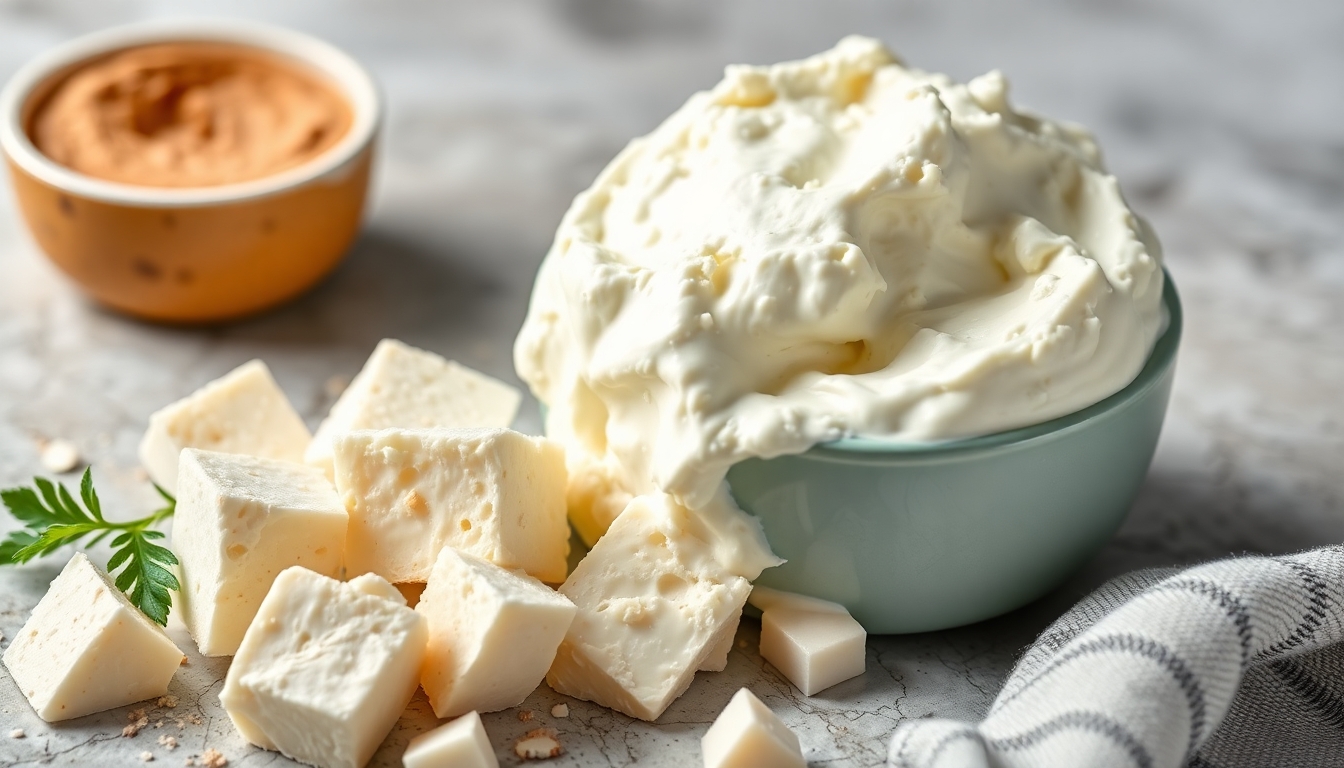
Good Culture has built its brand around a radically simple premise: use real ingredients and leave out everything unnecessary. When you turn a container of Good Culture cottage cheese around, the ingredient list reads like something from a different era:
- Cultured skim milk
- Cream
- Sea salt
That is it. No guar gum. No carrageenan. No xanthan gum. No locust bean gum. No modified food starch. No phosphates.
The texture you get is slightly looser than brands that rely on thickeners. The whey may separate a bit if it sits in the fridge. And that is exactly the point. The absence of those stabilizers is what makes it tolerable for people whose digestive systems are already under stress from GLP-1 medications.
A Clean Ingredient List That Actually Matters
The difference is not just cosmetic. When you eat Good Culture, your stomach receives a straightforward protein-and-fat load that it can process at whatever pace the GLP-1 medication allows. There is no gel-forming fiber expanding in your stomach. There is no seaweed-derived compound triggering inflammation in your intestinal lining. There is just cultured dairy, behaving the way cultured dairy is supposed to behave.
For GLP-1 users who also deal with gastroparesis-like symptoms (a condition where the stomach takes far too long to empty), this distinction becomes even more critical. A thickened, additive-laden cottage cheese sitting in a nearly immobile stomach is a recipe for vomiting, not nutrition. A clean, simple cottage cheese can actually provide the protein these patients desperately need without making the situation worse.
Real Protein Without the Side Effects
Good Culture cottage cheese delivers around 14 to 19 grams of protein per serving, depending on the variety. That is comparable to what you would get from Daisy or any other major brand. The protein itself is not the differentiator. The differentiator is everything else that is or is not in the container.
GLP-1 users frequently report that they can eat Good Culture when they cannot eat any other brand. The pattern is consistent across hundreds of forum posts and community discussions. People describe it as the one cottage cheese that does not make them feel like their stomach is about to revolt. And the reason is not a mystery. It is basic food science applied to a compromised digestive system.
How GLP-1 Users Are Incorporating Good Culture Into Their Routine
The GLP-1 community has developed practical strategies for making Good Culture work as a daily protein source, especially during periods when nausea makes eating solid food nearly impossible.
Mixing it with protein powder is one common approach. A half cup of Good Culture with a scoop of unflavored protein powder creates a high-protein meal that is smooth enough to eat even when appetite is suppressed.
Using it as a base for savory meals is another popular strategy. Good Culture with cucumber, a drizzle of olive oil, and some herbs makes a refreshing, protein-rich snack that does not trigger the heaviness associated with thicker cottage cheese brands.
Eating it cold, straight from the container works well for people who find that warm or room-temperature foods trigger nausea more easily on GLP-1 medications. The cool temperature combined with the clean ingredient list seems to be the most tolerable combination.
Practical Tips for Tolerance and Nutrition
For those new to GLP-1 medications or struggling with food tolerance, a few strategies tend to help:
Start small. Two to three tablespoons rather than a full serving. Let your stomach tell you how it handles the protein load before committing to more.
Pair it with something bland. Plain rice cakes or a small portion of steamed vegetables can help buffer the cottage cheese and reduce any residual stomach sensitivity.
Stay hydrated. GLP-1 medications already slow digestion, and dehydration makes that worse. Drinking water throughout the day helps your stomach process protein more efficiently.
Track your tolerance over time. Many GLP-1 users find that their ability to handle cottage cheese fluctuates based on their dosage, injection timing, and overall gut status. Keeping a simple food log helps identify patterns.
Why This Matters Beyond Just Cottage Cheese
The Good Culture phenomenon among GLP-1 users points to a larger truth about food and medication interactions. The ingredients that food companies add for texture, stability, and shelf life are not inert. They have real physiological effects, and those effects are amplified in people whose digestive systems are altered by medication.
Guar gum thickens. Carrageenan inflames. Xanthan gum slows transit. These are not abstract food science facts. They are lived experiences for the millions of people on GLP-1 medications who are trying to get adequate protein without spending their evenings curled up with a heating pad.
Good Culture works not because it has some magical property. It works because it does not contain the ingredients that cause the problem in the first place. Sometimes the simplest explanation is the right one.
Conclusion
The reason Good Culture cottage cheese has become the unofficial protein source of the GLP-1 community is not marketing hype. It is a direct consequence of its clean formulation. Without guar gum to thicken, without carrageenan to inflame, and without other industrial additives to complicate digestion, Good Culture delivers straightforward, high-quality protein that a slowed stomach can actually process.
For anyone on Ozempic, Zepbound, Wegovy, or Mounjaro who has struggled with cottage cheese causing nausea, bloating, or sulfur burps, the answer is almost certainly not that your body rejects dairy. The answer is far more likely that your body is rejecting the additives in the dairy you have been buying. Switching to a brand that leaves those additives out is a small change that can make a significant difference in daily comfort and nutritional intake.
Frequently Asked Questions
Can I eat Good Culture cottage cheese if I have gastroparesis?
Good Culture is frequently recommended by GLP-1 users who experience gastroparesis-like symptoms because it lacks the thickening agents that slow gastric emptying further. However, gastroparesis is a medical condition that requires individualized dietary guidance from your healthcare provider. Start with small amounts and monitor how your body responds.
Does Good Culture have more protein than regular cottage cheese?
The protein content is comparable to most major brands. A typical serving of Good Culture provides around 14 to 19 grams of protein depending on the variety. The advantage is not more protein but fewer additives that interfere with digestion.
Why does guar gum cause problems for GLP-1 users specifically?
Guar gum forms a thick gel when it absorbs liquid. In a stomach that is already emptying slowly due to GLP-1 medication, this gel sits longer and expands more, causing prolonged fullness, bloating, and nausea. It can also ferment and produce gas, contributing to sulfur burps.
Is carrageenan really harmful, or is that overblown?
The research on carrageenan is mixed, but enough studies have demonstrated its ability to trigger gut inflammation through the TLR4 pathway that many people with sensitive digestive systems choose to avoid it. For GLP-1 users already experiencing gastrointestinal side effects, removing a potential inflammatory trigger is a practical choice.
Where can I buy Good Culture cottage cheese?
Good Culture is available at most major grocery chains, including Whole Foods, Target, Kroger, Publix, and Walmart. It is also available through online grocery delivery services. Check the refrigerated dairy section near other cottage cheese brands.
Can I use Good Culture as a substitute for other protein sources on GLP-1 medications?
Good Culture can be an excellent protein source for GLP-1 users, especially during periods of nausea when solid protein sources are difficult to tolerate. However, relying on any single food for protein is not ideal. Use it as part of a varied protein rotation that includes other well-tolerated foods recommended by your healthcare provider.